info@pspathlab.com
 Help Line: +919205394886

Cholesterol
Cholesterol is a fatty substance essential for building cells and producing certain hormones. There are two main types: LDL (low-density lipoprotein) and HDL (high-density lipoprotein). High levels of LDL cholesterol can increase the risk of heart disease, while HDL helps remove cholesterol from the bloodstream. It's important to maintain a balanced cholesterol level through a healthy diet and lifestyle. If you have specific concerns, consulting a healthcare professional is advisable.
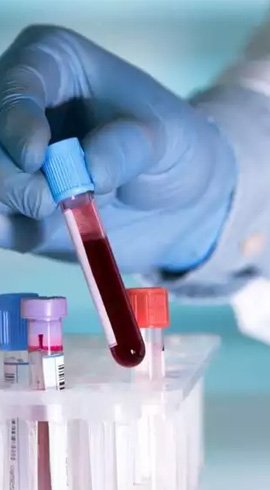
Cholesterol levels are typically measured through a blood test, known as a lipid panel or cholesterol panel. This test usually includes:
1) Total Cholesterol: The overall amount of cholesterol in your blood.
2) LDL Cholesterol: Often referred to as "bad" cholesterol, as high levels can lead to plaque buildup in arteries.
3) HDL Cholesterol: Often called "good" cholesterol, as it helps remove LDL cholesterol from the bloodstream.
4) Triglycerides: A type of fat in the blood that can also contribute to heart health issues if levels are too high.
Results are usually given in milligrams per deciliter (mg/dL) of blood. Your healthcare provider will interpret the results and discuss any necessary lifestyle changes or medications based on your cholesterol profile. Regular screenings are crucial for managing heart healt.
To help prevent high cholesterol and promote heart health, consider the following lifestyle practices:
1) Healthy Diet: Focus on a diet rich in fruits, vegetables, whole grains, and lean proteins. Limit saturated and trans fats found in processed foods, fried foods, and fatty cuts of meat.
2) Omega-3 Fatty Acids: Include sources of omega-3 fatty acids in your diet, such as fatty fish (salmon, mackerel), flaxseeds, and walnuts. These can help raise HDL cholesterol.
3) Exercise : Engage in regular physical activity, such as brisk walking, jogging, or cycling. Exercise can help raise HDL cholesterol and lower LDL cholesterol.
4) Maintain a Healthy Weight: Losing excess weight, if necessary, can positively impact cholesterol levels.
5) Quit Smoking: Smoking can lower HDL cholesterol. Quitting smoking has numerous health benefits, including improving cholesterol levels.
6) Limit Alcohol Intake: While moderate alcohol consumption may have some heart benefits, excessive alcohol can contribute to high triglyceride levels.
7) Manage Stress: Chronic stress can impact cholesterol levels. Practice stress-reducing techniques such as meditation, yoga, or deep breathing.
8) Regular Check-ups: Schedule regular check-ups with your healthcare provider to monitor cholesterol levels and discuss any necessary interventions.
Remember, individual responses to lifestyle changes can vary, and it's essential to work with your healthcare provider to create a personalized plan based on your health status and risk factors